THE KAP PROCESS AT MARTIN HEALING SANCTUARY
KAP at Martin Healing Sanctuary is a collaborative, phased process that integrates medical care and psychotherapy. Each stage builds on the last, allowing treatment to progress at a pace that supports both safety and depth treatment.
The process begins with an introductory consultation where we learn more about your goals, history, and what brings you to treatment. This is an opportunity to ask questions, discuss concerns, and determine whether ketamine therapy may be an appropriate fit.
1
INTEGRATED MEDICAL & PSYCHOLOGICAL ASSESSMENT
Medical and psychological evaluations are conducted collaboratively rather than in isolation
Prescribers and therapists work together to assess eligibility, risks, and readiness, creating a shared foundation for individualized care.
2
DESIGNING AN INDIVIDUALIZED DOSING STRATEGY
There is no universal ketamine dose. Dosing decisions are tailored to each client based on sensitivity, trauma history, anxiety levels, dissociation tolerance, and therapeutic goals, with adjustments made over time as needed.
3
PREPERATION SESSIONS
At least 3 preparation sessions are always held within an ongoing therapeutic relationship, allowing experiences to be supported, paced, and integrated. Medicine is only provided within a therapeutic frame.
4
MEDICINE
Medicine sessions are always held within an ongoing therapeutic relationship, allowing experiences to be supported, paced, and integrated. Medicine is only provided within a therapeutic frame.
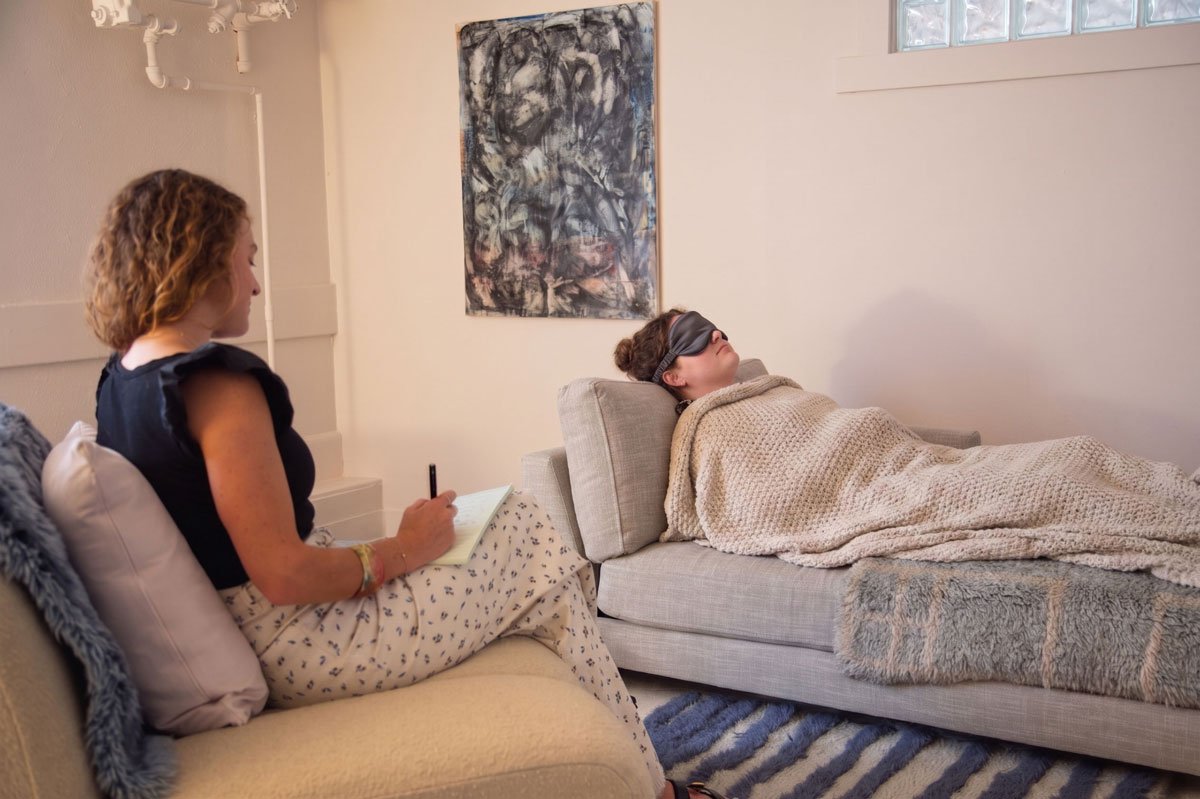
Treatment sessions take place in a calm, supportive environment designed to help clients feel comfortable and grounded.
Throughout the experience, patients are monitored by trained professionals who prioritize safety and compassionate care.
Sessions are intentionally unhurried, allowing time for rest, reflection, and recovery afterward
5
INTEGRATION
Healing does not end when the session 1s over. Integration sessions help translate ketamine experiences into lasting change. Clients process insights, emotions, and patterns in therapy. ensuring the work continues beyond the medicine session itself
Clients may choose to continue working with therapists, wellness practitioners, or other members of the Martin Sanctuary community to support ongoing healing and personal growth
Our goal is to provide care that feels sustainable, connected, and deeply human.






Frequently Asked Questions
-
Most people describe ketamine as creating a dreamlike or deeply relaxed state. You may feel detached from your usual thoughts, notice changes in how you experience time, or have vivid imagery. While everyone's experience is unique, you'll remain in a safe, supportive environment with a trained provider throughout your session.
-
When administered by trained medical professionals and after a thorough evaluation, ketamine has an established safety profile. We'll review your medical history, discuss whether you're a good candidate, and monitor you throughout treatment to ensure your safety and comfort.
-
Some people experience a sense of dissociation or a shift in perception during treatment, while others experience something much more subtle.
While ketamine can create an altered state of consciousness, you're not unconscious or out of control. Our team is with you throughout the experience, ensuring you feel safe, comfortable, and supported. Many people find the experience calming rather than overwhelming.
-
There isn't one answer for everyone.
Your treatment plan is personalized based on your goals, history, and response to treatment. Some people notice meaningful shifts after just a few sessions, while others benefit from a series of treatments followed by integration and maintenance care. We'll create a plan that's tailored to you.
-
Not necessarily. If you're receiving Ketamine-Assisted Psychotherapy (KAP), you'll work with one of our therapists. If you already have a therapist, we're happy to collaborate with them. If you don't, we can help connect you with a trusted provider from our community.
-
No. Because ketamine temporarily affects perception, coordination, and reaction time, you'll need a trusted adult to drive you home after your appointment. We also recommend taking the remainder of the day to rest and integrate your experience.
-
That's completely normal. Trying something new—especially when it involves your mental health—can feel intimidating. We'll answer all of your questions before treatment, move at a pace that feels comfortable, and make sure you feel informed and supported every step of the way.
-
Our goal isn't to recommend ketamine for everyone—it's to help you find the care that's right for you.
If KAP isn't the best fit, we'll discuss other treatment options and connect you with resources that better support your needs whenever possible.
-
We're here to help.
Schedule a consultation to learn more about whether ketamine-assisted psychotherapy is right for you.
-
Chronic anxiety can affect every part of daily life - from relationships and work to sleep, focus, and overall wellbeing.
Ketamine therapy may help reduce mental overactivity, ease emotional reactivity, and support a greater sense of calm and resilience. Treatment is approached thoughtfully and collaboratively, with an emphasis on nervous system regulation and long-term support.
-
Ketamine therapy has emerged as a promising option for individuals struggling with depression, including cases where traditional medications or therapy have not provided sufficient relief.
Many clients report feeling a greater sense of clarity, emotional openness, and connection after treatment. While every
experience is unique, ketamine may help interrupt persistent negative thought patterns and create space for new perspectives and healing.
-
Trauma can become deeply embedded in both the mind and body. Ketamine-assisted therapy may help individuals access difficult emotions and experiences in a way that feels safer, more spacious, and less overwhelming.
At Martin Sanctuary, trauma-informed care is central to our approach. We prioritize safety, preparation, and integration throughout the healing process.
-
Many of our struggles in adulthood are rooted in early experiences of connection and safety. If you find yourself caught in cycles of anxiety, avoidance, people-pleasing, fear of abandonment, or difficulty trusting others, healing these patterns can open the door to more secure and fulfilling relationships.
-
Constant pressure can leave you feeling depleted, disconnected, and unable to access joy. Healing begins by creating space for restoration, reflection, and a return to what matters most.
Areas of Support
-
Grief can arise after the loss of a loved one, a relationship, a role, a dream, or a version of yourself. Healing does not mean forgetting. It means learning how to carry what has happened while reconnecting with life, meaning, and possibility.
-
Whether you're experiencing recurring conflict, disconnection, communication difficulties, or major life transitions, relationships can profoundly affect our wellbeing. We help individuals and couples better understand patterns, deepen connection, and create healthier ways of relating.
-
Ketamine-assisted therapy may support individuals working through patterns of addiction or substance dependence by helping address underlying emotional pain, trauma, and behavioral cycles.
Treatment is approached with care, structure, and integration support to encourage sustainable healing and reconnection.
-
Relationships often become strained when stress, past wounds, communication challenges, or life transitions go unaddressed. Couples work provides a supportive space to strengthen connection, rebuild trust, deepen understanding, and create a more intentional partnership.
-
Major life changes can challenge our sense of stability and self. Whether you're facing a career shift, parenthood, divorce, aging, or a search for deeper purpose, we provide support through periods of transformation.